
Playable Ads Trends in Mobile Games & Apps – August 2026

Helping you stay 2.5 steps ahead of the games industry. Don't be too serious, except about UA.
Subscribe to my Brutally Honest newsletter!
As the UA landscape evolves, so do the creative trends that shape how games communicate with their audiences. With the rise of Applovin and increased spend on SDK networks, I’ve decided to bring you a monthly trends review of top-performing playable ads across different genres.
For those that read only summaries, here are playable trends August in a nutshell:
- Get the GTA VI hype
- Even though this game is in the same genre/concept, it is still valid to point out that there was never a better time to promote game like this when everyone is waiting patiently for a GTA release. Eager to play, they will try other games and this ad served the right taste test.
- Core mechanic + experiments
- The easiest way to make a playable is usually to take the core mechanic of the game and recreate it. Find an object, click on it, repeat. Simple enough. But here is where many creative teams are asking: “Ok so we made palyables of the main thing, what else can we do?” And that’s exactly what Find Em All! does – with one clever addition that makes the whole experience much more interesting.
- Vibe coding goes playable – for real
- Vibe coding is not just for apps or big projects anymore. This playable was built from beginning to end without an agency or a person manually coding it – just AI-driven iteration inside PlayableMaker. It still took around 20–30 iterations to get right, but that is exactly the interesting part: you can let it iterate in the background while working on something else, or run several playable ideas in parallel. No longer just simple tap and click 2D playables. Get your hands dirty and start creating. Best part? It was done with the BETA version of Vibe coding module, in september, the GA release will come out that will outperfrom the BETA by miles!
Get the GTA VI hype
Sometimes a playable doesn’t need a completely new mechanic to stand out. It just needs to arrive at the right time. With GTA VI continuing to be one of the most anticipated games in the industry, there is a huge opportunity for games in the same open-world, life-simulation space to tap into that anticipation. The key is recognizing the moment and matching the creative to the vibe players are already looking for.
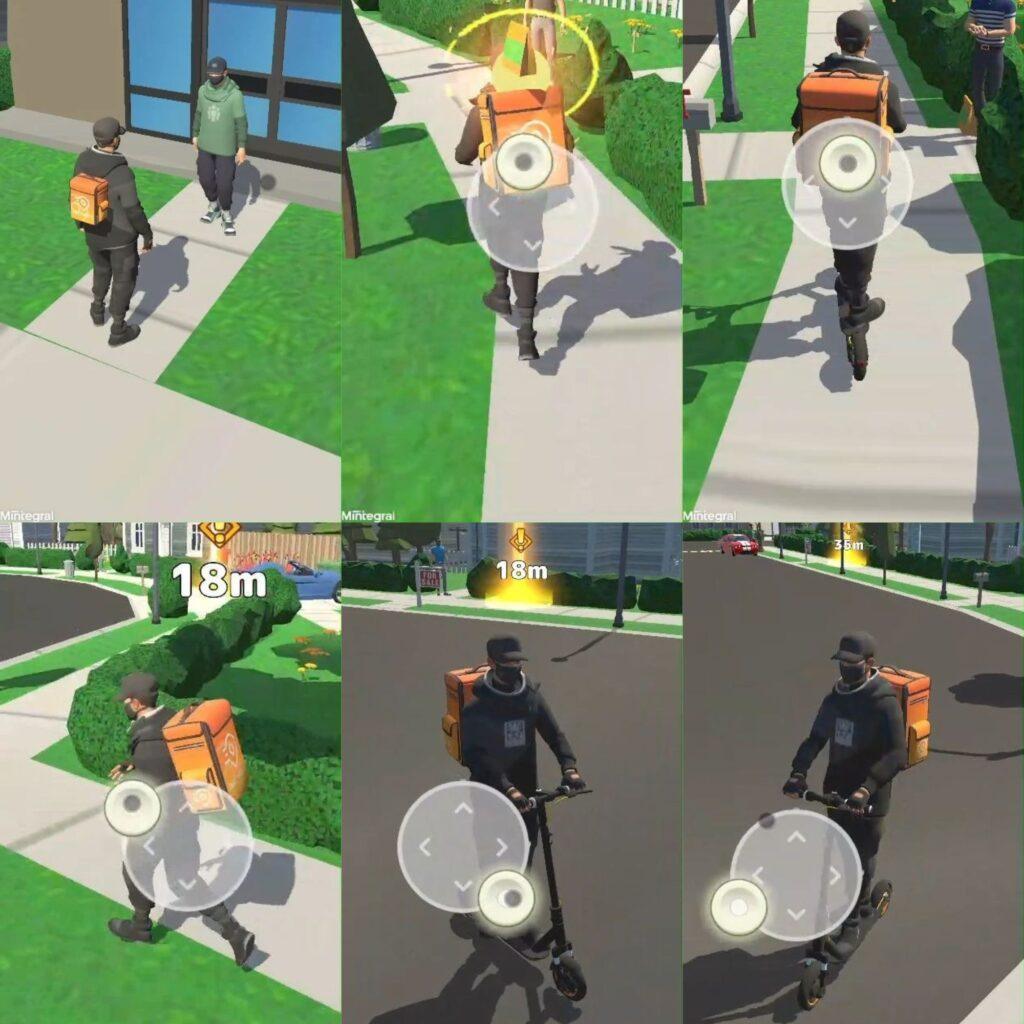
Sunday City: Life Simulator
Ride the GTA hype at the right time
When I first played this playable, the GTA connection was immediately obvious – and that’s exactly why I think the timing of this creative is so interesting.
The playable puts you into a familiar open-world environment, riding around a suburban neighborhood on a scooter and following mission markers to different locations. You interact with characters, move around the neighborhood, and complete simple objectives. And unlike some playables that heavily exaggerate what the actual game offers, this one is actually quite representative of the game itself.
But what really caught my attention is the environment.
The suburban streets, houses, sidewalks, hedges, cars and overall presentation immediately reminded me of the older GTA neighborhoods. It has that slightly stylized, open-world suburban feeling that players already associate with the franchise. You don’t need a GTA logo slapped across the screen to understand what kind of fantasy this playable is trying to trigger.
And right now, that’s a very smart direction.
With everyone waiting for GTA VI, there is a massive audience already primed for this type of experience. Players want an open world. They want to drive around, explore neighborhoods, interact with characters and complete little missions. A game like Sunday City: Life Simulator can put itself directly in front of that existing demand.
This is where timing becomes part of the creative strategy.
The same playable might not have the same impact a year ago. But when the audience is already thinking about GTA, searching for GTA content and watching GTA VI news and gameplay speculation, showing them something that immediately triggers those associations can be much more powerful.
It’s almost like catching a wave. You don’t need to create the hype yourself if you can identify an existing cultural moment and build your creative around it.
And I particularly like that they didn’t try to copy the latest GTA VI visuals or create some completely unrealistic promise. Instead, they leaned into the vibe – the neighborhood, the open-world camera, the character, the missions and the general feeling of roaming around a city.
For UA teams, it’s a good reminder that creative strategy isn’t only about mechanics, hooks and templates. Sometimes it’s about knowing what your audience is thinking about right now. If there’s a massive upcoming release generating excitement around your genre, that’s the moment to push your game, match the visual language and give players the alternative they’ve been waiting for.
Find Em All! – Hidden Objects
Same mechanic, much better playable
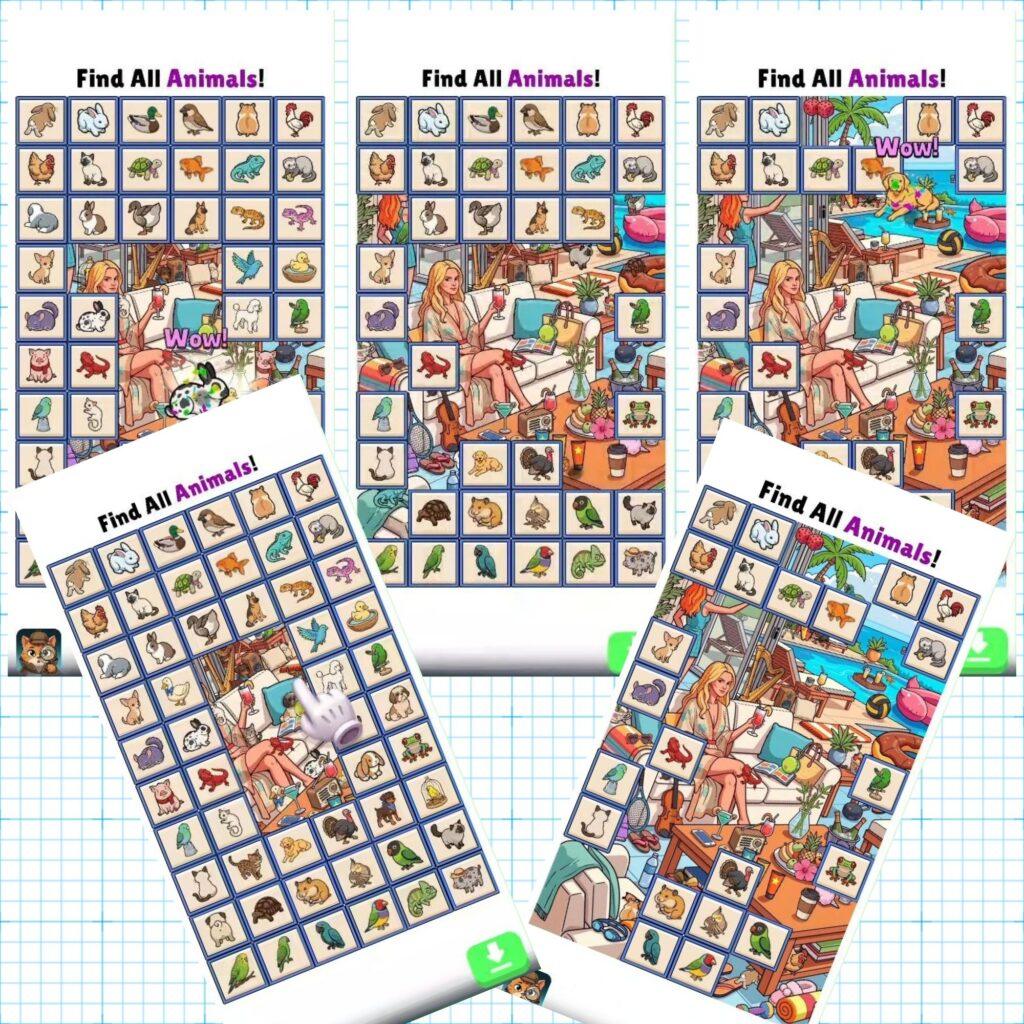
The easiest way to make a playable is usually to take the core mechanic of the game and recreate it. Find an object, click on it, repeat. Simple enough. But here is where many creative teams are asking: “Ok so we made palyables of the main thing, what else can we do?” And that’s exactly what Find Em All! does – with one clever addition that makes the whole experience much more interesting.
The original game is built around finding hidden objects in colorful scenes. You get a list of things to find and tap them when you spot them.
The playable keeps that core mechanic, but instead of simply showing the entire image, it places a huge tiled layer over most of the screen. At the beginning, you can only see a small part of the scene. Every time you find an animal, another part of the image is revealed.
And suddenly, finding the objects isn’t the only objective anymore.
You also want to see what’s underneath.
This creates a really nice secondary progression loop. You start with a partially hidden image, find a few animals, unlock more of the picture, discover new areas, and then find even more animals. The playable essentially creates its own curiosity loop: what is hiding behind the next tiles?
I particularly like this because it doesn’t abandon the game’s identity in order to make the playable more interesting. The visual style is still the same, the core mechanic is still the same, and the player is still doing exactly what they would do in the actual game. The difference is simply in how the mechanic is presented.
And this is where I think playable ads can get much more creative.
The obvious solution would have been to put the list of animals at the bottom, just like in the game, and let the player find them. Instead, the playable team asks: what can we add around the mechanic without changing the mechanic itself?
The answer is the tiled reveal. And probably is not the only answer. You just have to keep in mind that in playable ads, recreating the main thing is not the end, it is just the beginning.
It also makes this a perfect candidate for a longer playable. Instead of giving the player five objects to find and ending the experience, the playable can keep revealing new sections of the image as they progress. More objects appear, more of the scene becomes visible, and the player has a reason to continue.
And there is one more thing I really like about this approach: it’s extremely scalable.
Once you have this system, you don’t need to create a completely new playable every time. Change the background image, change the objects the player needs to find, change the categories – animals, food, furniture, clothing, whatever you want – and you can generate a huge number of variations while keeping the same underlying playable structure.
That’s a very powerful combination: core gameplay authenticity + a new presentation layer + massive creative scalability.
We’ve talked a lot about publishers creating completely new mechanics for their playables, but sometimes the better approach is much simpler. Take what already makes your game fun, find one additional layer that creates curiosity, and let players play it.
Vibe coding goes playable
Vibe coding is not just for apps or big projects anymore. This playable was built from beginning to end without an agency or a person manually coding it – just AI-driven iteration inside PlayableMaker. It still took around 20–30 iterations to get right, but that is exactly the interesting part: you can let it iterate in the background while working on something else, or run several playable ideas in parallel. No longer just simple tap and click 2D playables. Get your hands dirty and start creating.
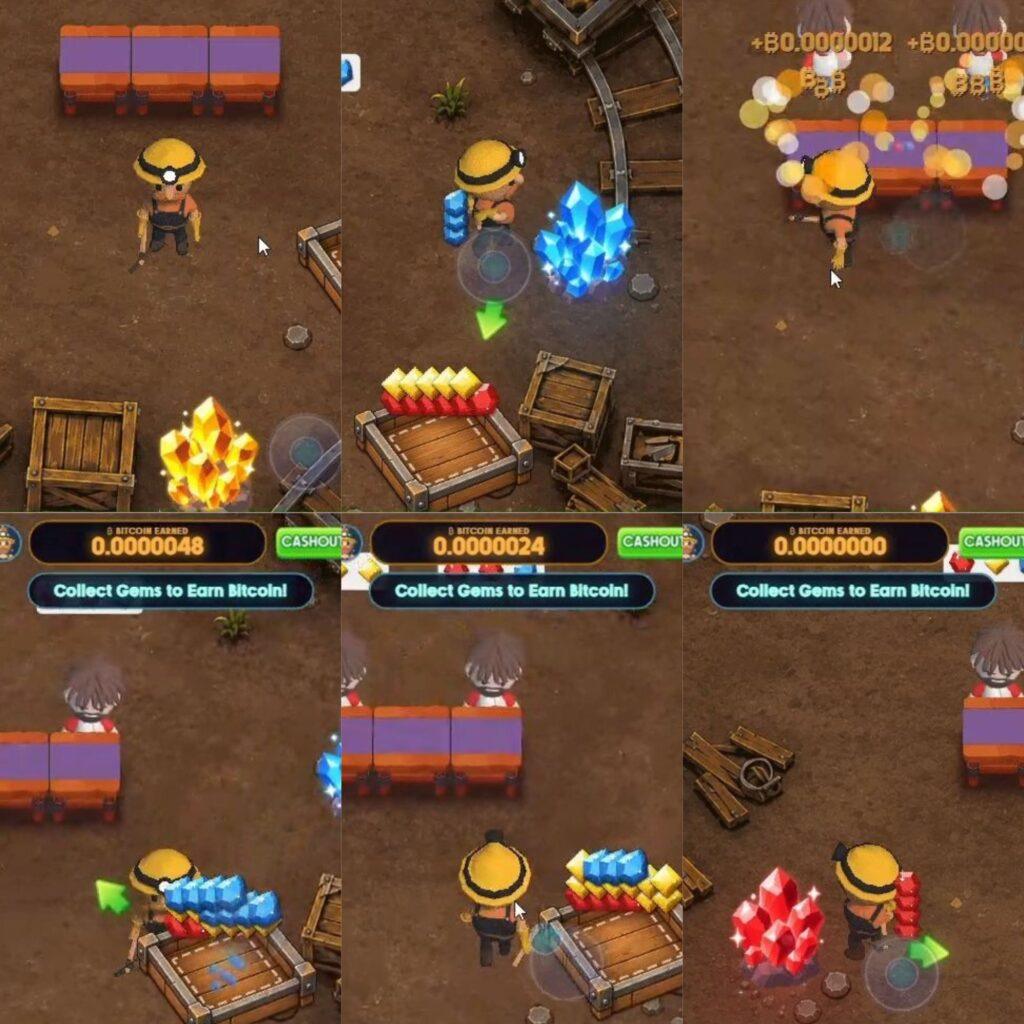
Idle Mine! Tycoon Mining Game
Let the AI build the playable
This is probably one of the clearest examples I’ve seen of where vibe coding for playables is actually going.
The whole playable was created inside PlayableMaker using vibe coding- no agency touch, no developer sitting there manually writing the code. From the first version to the final playable, the process was driven by AI.
Does that mean you just type one prompt and get a perfect playable? Absolutely not. This one took roughly 20–30 iterations to get where it needed to be. But that’s not really the point. The interesting part is that those iterations don’t necessarily need your constant attention. You can have the AI working on one playable while you work on another project, or simply run several concepts in parallel.
And the more important question is what was actually built.
The playable keeps the main theme, title and visual identity of Idle Mine! Tycoon. But instead of simply showing the mining loop, it turns the player into someone who actually has to serve customers, collect the resources they are asking for and earn money from fulfilling their orders.
So the message becomes very straightforward: play, provide, earn. And that is the, except the iterations, the only human input – thinking about the creative flow.
That is also a good example of how you can take the core fantasy of an idle game and make it more interactive for a playable. The original game is about mining and earning – the playable makes the user actively participate in that economy. You are not just watching the mine produce resources; you need to make the right decisions to satisfy customers and get rewarded.
And that is where vibe coding becomes particularly interesting for playable ads. The challenge is no longer necessarily “Can someone code this?” but rather “How many iterations are we willing to explore, and why are we not doing it already?” When the cost of trying another version drops, suddenly mechanics that would previously require a developer, producer and multiple rounds of implementation become much easier to experiment with.

Data from PlayableMaker – what is being created?
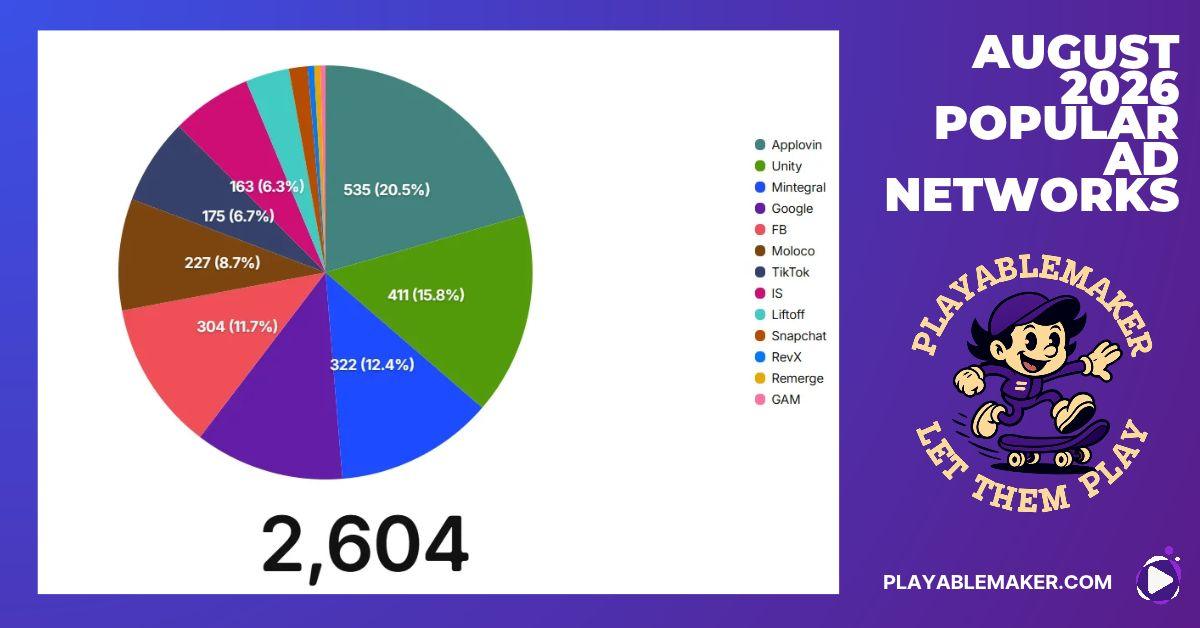
Our friends at PlayableMaker have shared their latest data and insights for August 2026, revealing trends in templates, game mechanics and ad network usage. Here’s a quick summary:
Did you know that you can now vibecode your playables? Here are some examples we liked last week:
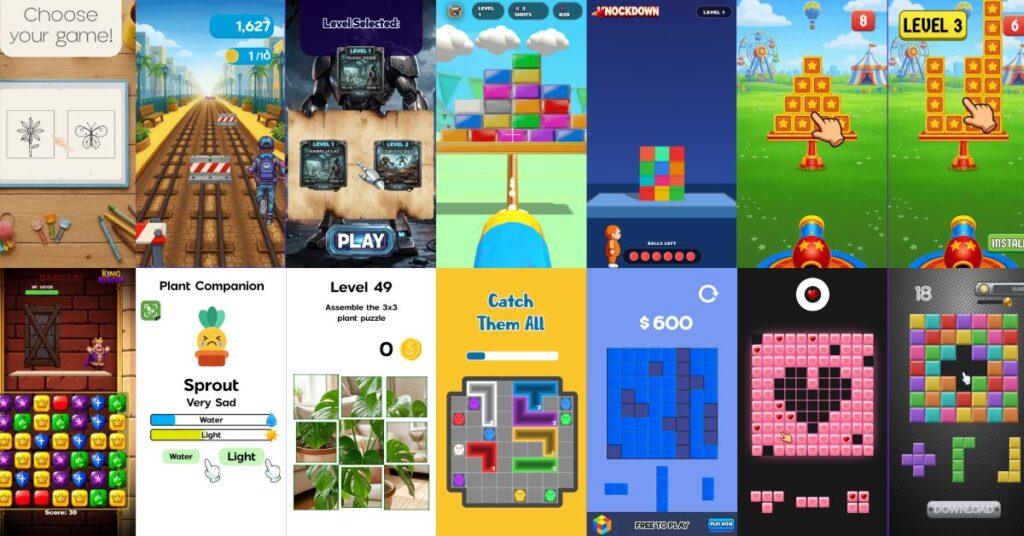
New Popular Templates for August 2026
- Match3 Rescue King: Do the matching, save the king!
- Smash Party 3 Levels: 2D cannon shooter mechanic everyone loves
- Blocks Blasting: Blocks v2 with items, shapes and many more
- Heart Blocks: Blocks v2 with items, shapes and many more
- Color Flip Book: Flip the book, select the right image
- Subway Runner: Left, Right, Left, Right, Race!
- Care About Your Plant: Care about your tamagochi
Playable Maker modules – which ones are used the most?
- Builder Templates (55,8%)
- Video Playables (40,2%)
- Vibe Coding (4%)
Popular Ad Networks
August 2026 favorite playable creations from our customers:
- https://app.playablemaker.com/share/6a75a18c29117323e33519cd
- https://app.playablemaker.com/share/6a7490fd29117323e334e318
- https://app.playablemaker.com/share/6a8d5adc29117323e33a0e78
- https://app.playablemaker.com/share/6a857d8a29117323e338883d
- https://app.playablemaker.com/share/6a72348129117323e3345e3d
Helping you stay 2.5 steps ahead of the games industry. Don't be too serious, except about UA.
Subscribe to my Brutally Honest newsletter!